P Herbs
Home P Herbs
The P Herbs category brings together medicinal plants, culinary herbs, and traditional botanical remedies whose names begin with the letter P. Readers exploring this section will find practical, balanced articles on health benefits, traditional uses, active compounds, nutrition, preparation methods, and safety considerations. The range is especially strong in areas such as digestion, stress and sleep support, respiratory wellness, skin care, immune function, metabolic health, and food-based herbal use, making this category useful for both everyday wellness readers and those looking for more detailed herbal knowledge.
If you want calming herbs, passionflower is a popular place to start, with content focused on how it is traditionally used for stress relief, relaxation, and sleep support. For digestive and respiratory comfort, peppermint covers one of the most familiar herbal remedies, including its refreshing uses for the stomach, sinuses, and daily wellness routines.
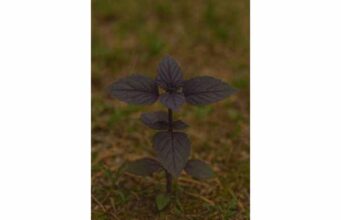
For kitchen-friendly herbs with broader therapeutic value, parsley explores this well-known green beyond garnish status, including its nutritional profile and potential metabolic support, while perilla offers insight into an aromatic herb often associated with antioxidant activity, immune balance, and culinary versatility. Readers interested in soothing skin and wound-care traditions will likely appreciate plantain, a classic herb commonly associated with topical support and gentle everyday herbal applications.
This category also includes plants often discussed for digestive regularity and gut comfort. psyllium is especially relevant for readers looking into fiber, bowel regularity, and heart-conscious dietary support, while purslane highlights a nutrient-dense edible herb valued for its omega-3 content, antioxidant compounds, and food-first wellness potential.
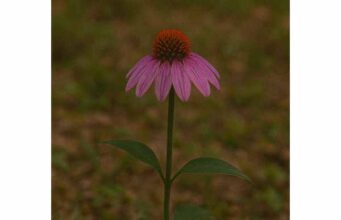
For immune and seasonal support, purple coneflower introduces one of the best-known traditional herbs for immune resilience, and pau d’arco looks at a bark-based botanical often explored for immune, microbial, and general wellness uses. Readers curious about respiratory traditions can turn to pine, which is commonly associated with respiratory comfort, topical applications, and classic forest-herbal remedies.
There are also articles for readers interested in broader wellness themes. peony covers a historically important medicinal plant often linked with traditional herbal systems and more advanced therapeutic discussion. prickly pear brings a food-and-medicine perspective, with attention to antioxidant value, hydration, and metabolic health interest. For more targeted circulation and stimulant-style herbal traditions, prickly ash examines a lesser-known but long-used botanical associated with warming, circulation, and traditional tonic use.
Overall, the P Herbs category is a strong starting point for readers who want trustworthy, readable guidance on herbs that range from familiar pantry plants to deeper traditional remedies, with each article designed to help you understand not just what a plant is, but how it may be used wisely, safely, and in context.