
Tag: Anti-inflammatory
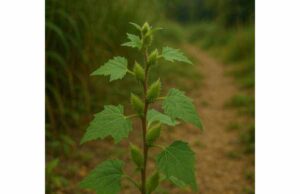
Xanthium (Xanthium strumarium): Uses for Rhinitis, Health Benefits, Dosage, and Safety...
Xanthium strumarium, often called common cocklebur, is one of those herbs that deserves both respect and caution. In traditional medicine, especially East Asian practice,...
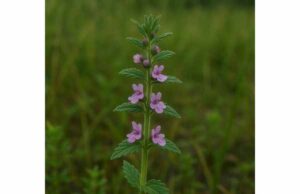
Water Germander (Teucrium scordium): Herbal Uses, Antifungal Potential, Dosage, and Precautions
Water germander, or Teucrium scordium, is a marsh-loving member of the mint family that has been used in older European and Middle Eastern herbal...
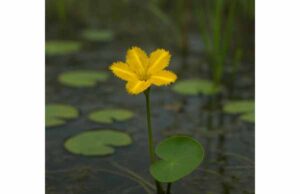
Water Fringe (Nymphoides peltata): Potential Health Benefits, Skin Uses, and Side...
Water fringe, more widely known in botanical and ecological writing as or simply by its scientific name Nymphoides peltata, is an aquatic perennial...
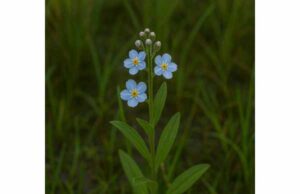
Water Forget-Me-Not (Myosotis scorpioides) Potential Benefits, Active Compounds, and Safety Tips
Water Forget-Me-Not, botanically known as Myosotis scorpioides, is best known as a delicate wetland flower, yet it also has a quieter history in traditional...
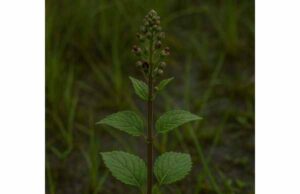
Water Figwort (Scrophularia aquatica) Health Benefits for Skin and Inflammation, Uses,...
Water Figwort is a tall, moisture-loving herb traditionally found near streams, pond margins, wet ditches, and marshy ground. In older herbal literature it appears...
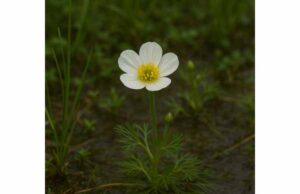
Water Crowfoot (Ranunculus aquatilis): Medicinal Properties, Folk Uses, Dosage, and Side...
Water crowfoot, also called Ranunculus aquatilis, is an aquatic buttercup that grows in ponds, ditches, and slow streams. It is visually delicate, with white...
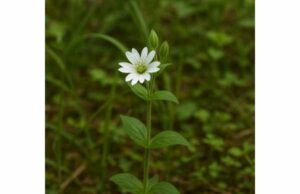
Water Chickweed (Myosoton aquaticum): What It Is, Health Benefits, Dosage, and...
Water chickweed, botanically known as Myosoton aquaticum, is a moisture-loving herb in the pink family that grows in wet meadows, ditches, stream edges, and...
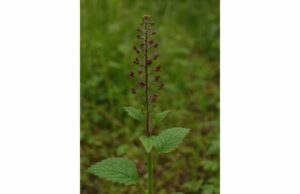
Water Betony (Scrophularia umbrosa) for Skin Support, Traditional Uses, Dosage, and...
Water Betony, usually discussed under the botanical name Scrophularia umbrosa, is a traditional figwort-family herb valued more for its old medicinal reputation than for...
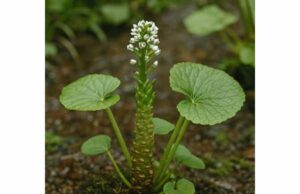
Wasabi (Wasabia japonica): Benefits for Brain Health, Digestion, Inflammation, and Safe...
Wasabi is one of the most recognizable herbs in Japanese cuisine, yet its medicinal side is often discussed less clearly than its sharp green...
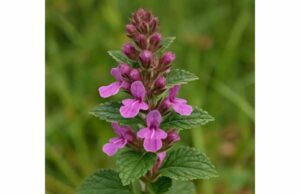
Wall Germander (Teucrium chamaedrys): Herbal Benefits, Traditional Applications, Dosage, and Liver...
Wall germander is a small evergreen subshrub in the mint family that has been valued for centuries as a bitter, aromatic herb. Traditionally, the...
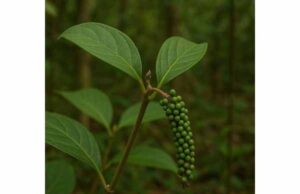
Voatsiperifery (Piper borbonense): What It Is, Benefits, Uses, and Safety Guide
Voatsiperifery, usually identified as Piper borbonense, is a wild pepper from Madagascar and nearby Indian Ocean islands that has earned a reputation for its...
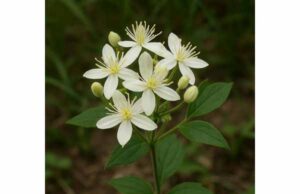
Virgin’s Bower (Clematis virginiana): Uses, Medicinal Properties, and Safety Guide
Virgin's bower, Clematis virginiana, is a native North American vine from the buttercup family that has a striking dual reputation. In garden and wildflower...
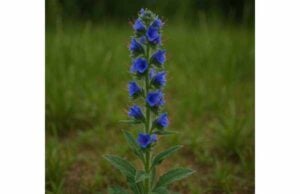
Viper’s Bugloss (Echium vulgare): Medicinal Properties, Traditional Remedies, and Precautions
Viper’s Bugloss, or Echium vulgare, is a striking blue-flowered plant with a long folk-medicine history and a far more complicated safety profile than its...
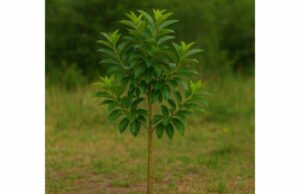
Vial Tree (Citharexylum spinosum): What It Is, Health Benefits, Uses, and...
Vial Tree, botanically known as Citharexylum spinosum, is more widely recognized in many regions as fiddlewood or spiny fiddlewood. It is a fragrant tropical...
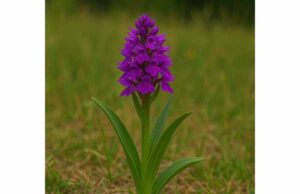
Vial Orchid (Vanilla × tahitensis): Key Ingredients, Wellness Benefits, and Dosage
Vial Orchid, listed here as Vanilla × tahitensis, is better known in practice as Tahitian vanilla, a fragrant orchid grown mainly for its richly...
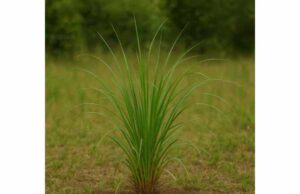
Vetiver (Vetiveria zizanoides): Stress Relief Benefits, Uses, Dosage, and Side Effects
Vetiver is a deeply rooted aromatic grass best known for its earthy, smoky fragrance, but its medicinal story is broader than perfume alone. Traditionally...