




Autoimmune Screening Tests
Home Autoimmune Screening Tests
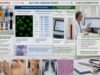
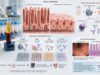
Autoimmune screening tests help clinicians investigate symptoms that may arise when the immune system mistakenly targets the body’s own tissues. This category explains how commonly ordered blood tests and antibody panels are used to assess systemic rheumatic diseases, rheumatoid arthritis, autoimmune thyroid disorders, celiac disease, inflammatory muscle conditions, neurologic syndromes, liver disease, type 1 diabetes, clotting disorders, and autoimmune skin diseases.
Explore detailed guides to ANA testing by IFA or ELISA, ANA titers and patterns, reflex testing, ENA 6 and ENA 10 panels, SARD panels, rheumatoid factor, thyroid antibodies, tissue transglutaminase IgA, immunoglobulins, CH50 complement activity, myositis antibodies, paraneoplastic antibodies, and broader autoimmune disease panels. You will also find coverage of specialized testing for antiphospholipid syndrome, autoimmune encephalitis, blistering diseases, autoimmune diabetes, and autoimmune liver disease.
Each guide explains why a test may be ordered, what positive, negative, high, or low results can mean, and which follow-up tests may be considered. Because autoantibodies can occur without active disease, results are best interpreted alongside symptoms, medical history, physical findings, and other laboratory or imaging studies.