


Allergy, IgE, and Mast Cell Markers
Home Allergy, IgE, and Mast Cell Markers
Allergy, IgE, and mast cell markers offer a detailed view of how the immune system recognizes triggers, produces allergic inflammation, and releases mediators during reactions. This category explains the blood and urine tests used to investigate suspected food, environmental, latex, insect venom, and medication allergies, as well as asthma, rhinitis, chronic urticaria, anaphylaxis, and mast cell disorders.
Explore the differences between total IgE, specific IgE, allergy panels, and component-resolved testing for peanut, milk, egg, wheat, shellfish, tree nuts, and alpha-gal. Articles clarify why a positive IgE result may indicate sensitization rather than confirmed clinical allergy, how cross-reactivity can affect results, and why symptoms, exposure history, and specialist-guided testing remain essential.
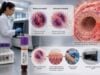
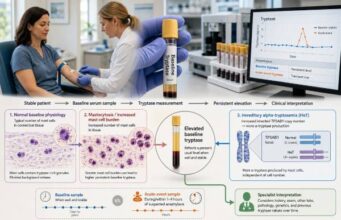
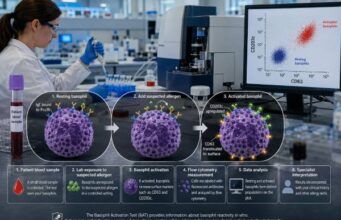
The category also covers mast cell and mediator testing, including acute and baseline tryptase, plasma histamine, urinary N-methylhistamine, prostaglandin D2 metabolites, and leukotriene E4. Timing, specimen handling, medications, reference ranges, and comparison with baseline values can all influence interpretation. Additional guides examine eosinophil counts, eosinophil cationic protein, basophil activation, histamine release, respiratory panels, and broader mast cell activation panels.
Clear, evidence-based explanations help readers understand what each marker measures, what high or positive results may mean, where testing has limitations, and which findings may warrant further evaluation by an allergist or other qualified clinician.