



Antiphospholipid Markers
Home Antiphospholipid Markers
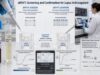
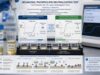
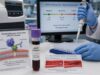
Antiphospholipid markers are blood tests used to investigate abnormal clotting, recurrent pregnancy loss, and possible antiphospholipid syndrome (APS). This category explains the major antibodies and clot-based assays involved in APS evaluation, including anticardiolipin antibodies, beta-2 glycoprotein 1 antibodies, lupus anticoagulant testing, and specialist markers such as phosphatidylserine–prothrombin, anti-prothrombin, anti-phosphatidylserine, and anti-phosphatidylethanolamine antibodies.
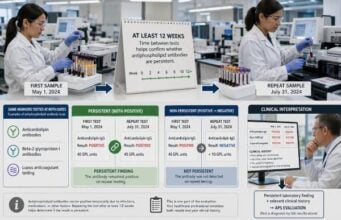
Explore how IgG, IgM, and IgA results differ, what positive, negative, borderline, or persistent findings may mean, and why repeat testing after at least 12 weeks can be essential. Detailed guides cover dRVVT, PTT-LA, mixing studies, hexagonal phospholipid neutralization, reflex testing, and the effects of anticoagulant medicines on interpretation. They also clarify why a single abnormal result does not automatically confirm APS or predict that a clot will occur.
You will also find focused information on thrombosis panels, recurrent pregnancy loss panels, APS monitoring, seronegative APS, and triple-positive antibody profiles associated with higher clinical risk. Each article places laboratory findings in context, helping readers understand how antibody patterns, symptoms, medical history, and timing work together. These resources support informed discussions with clinicians but do not replace individualized diagnosis or treatment.