
White Peony Root (Paeonia albiflora): Menstrual Support, Anti-Inflammatory Benefits, and Precautions
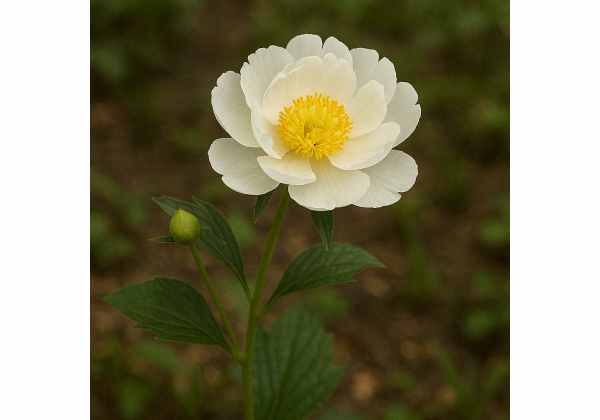
White peony root is the processed root used in traditional East Asian herbal medicine from a plant now more commonly listed under the accepted...
White Navelwort (Omphalodes cappadocica): Traditional Uses, Medicinal Value, and Safety Notes
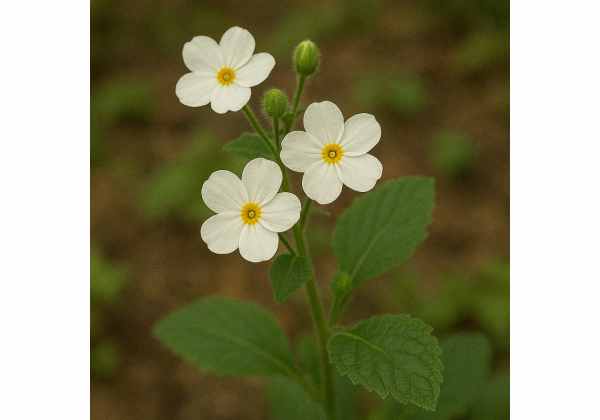
White Navelwort, listed here under the botanical name Omphalodes cappadocica, is a small evergreen perennial in the borage family. In practice, it is far...
White Mustard (Sinapis alba): Digestive Benefits, Topical Uses, and Safety Guide
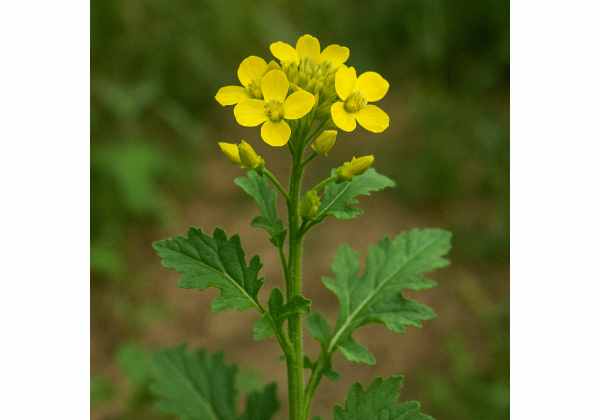
White mustard is one of those old botanical remedies that sits between food, spice, and traditional medicine. Best known for its pale yellow seeds...
White Mulberry (Morus alba) Benefits, Key Ingredients, Blood Sugar Support, and Safety
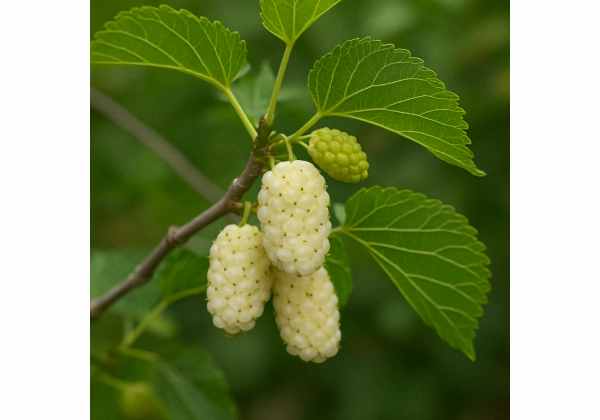
White Mulberry, or Morus alba, is one of those herbs that looks simple at first and becomes more interesting the closer you look. It...
White Horehound (Marrubium vulgare) Benefits for Cough, Digestion, Appetite, and Safe Use
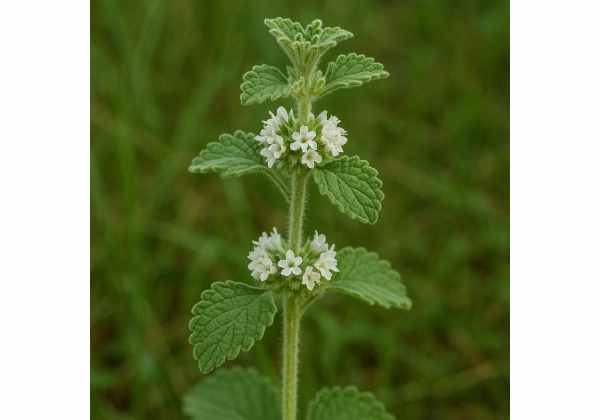
White horehound is a bitter, aromatic herb in the mint family that has been used for centuries in European, Middle Eastern, and North African...
White Clover (Trifolium repens): Benefits, Herbal Uses, Hormone-Related Cautions, and Safety
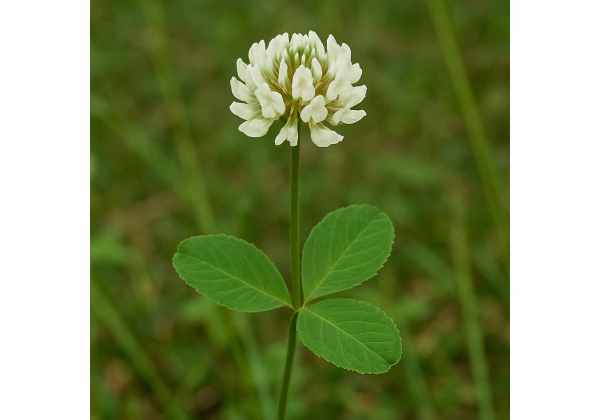
White clover, Trifolium repens, is one of those plants people often know before they truly notice it. It spreads through lawns, meadows, and field...
White Baneberry (Actaea pachypoda): Traditional Uses, Root Chemistry, and Safe Use Guidance
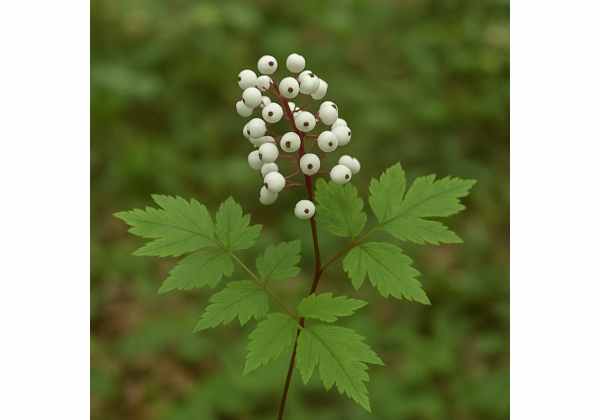
White baneberry, also known as doll’s-eyes, is a striking woodland plant native to eastern North America. Its bright white berries and red stalks make...
White Ash (Fraxinus americana): Traditional Herbal Uses, Potential Benefits, and Precautions
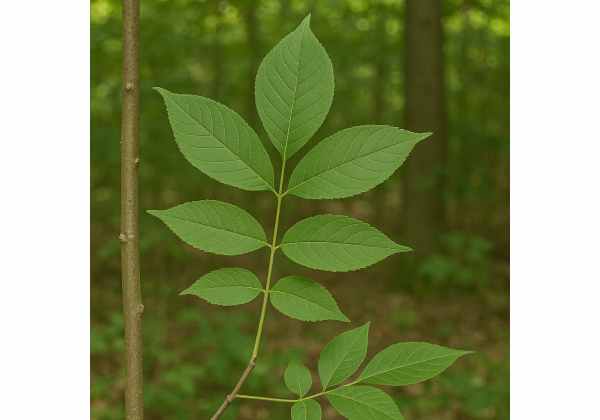
White ash, botanically known as Fraxinus americana, is best known as a strong North American tree prized for timber, but its bark, leaves, and...
Wheatgrass (Triticum aestivum): Benefits, Key Ingredients, Uses, and Safety Guide
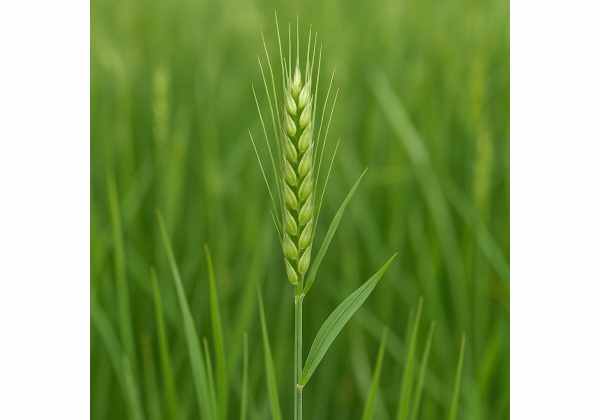
Wheatgrass is the young green shoot of common wheat, usually harvested before the grain forms. At this stage, the plant is prized not for...
Watercress (Nasturtium officinale): Benefits, Nutrients, Medicinal Properties, and Side Effects
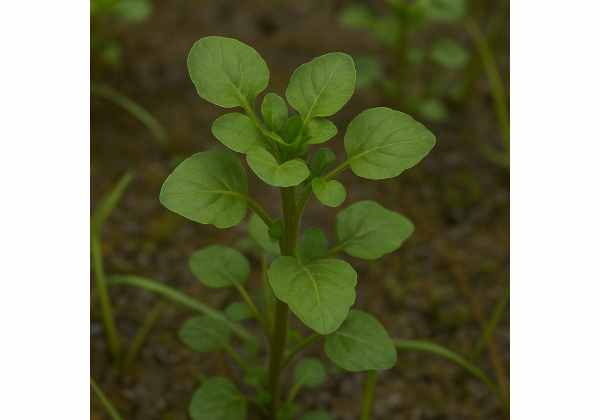
Watercress is one of those greens that feels both humble and surprisingly powerful. It grows in and around clean flowing water, has a peppery...
Water Starwort (Callitriche stagnalis): Key Ingredients, Urinary Uses, Dosage, and Safety Guide
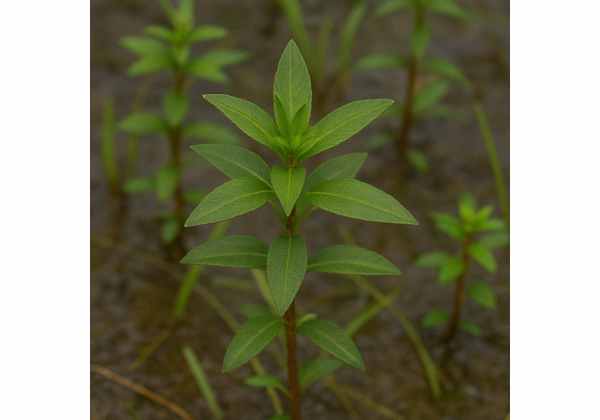
Water starwort is a small aquatic plant that looks modest at first glance, yet it raises surprisingly interesting questions once people start asking whether...
Water Purslane (Ludwigia palustris) Antioxidant Potential, Traditional Uses, and Safety
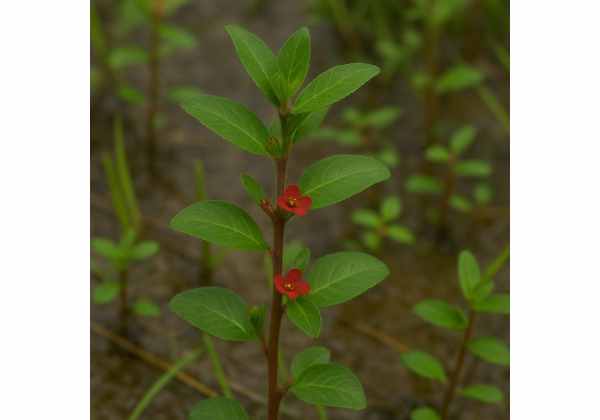
Water Purslane, or Ludwigia palustris, is a wetland herb that sits in an unusual place between folk medicine, aquatic botany, and early phytochemical research....
Water Pennywort (Hydrocotyle vulgaris) Health Benefits for Skin Support, Wound Care, and Gentle Herbal Use
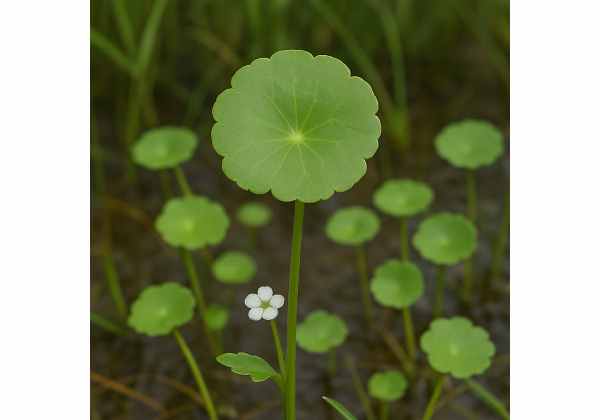
Water Pennywort, also called marsh pennywort or common pennywort, is a low-growing wetland herb with rounded leaves and creeping stems that root as they...
Water Parsnip: Active Compounds, Traditional Benefits, and Caution Guide
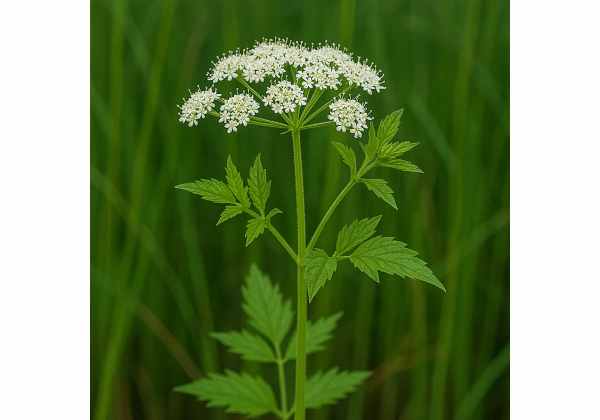
Water parsnip, Sium suave, is a wetland plant in the parsley family that sits at an unusual crossroads of food tradition, folk medicine, and...
Zhoug (Coriandrum sativum, Capsicum annuum): Evidence-Based Benefits, Culinary Uses, and Precautions
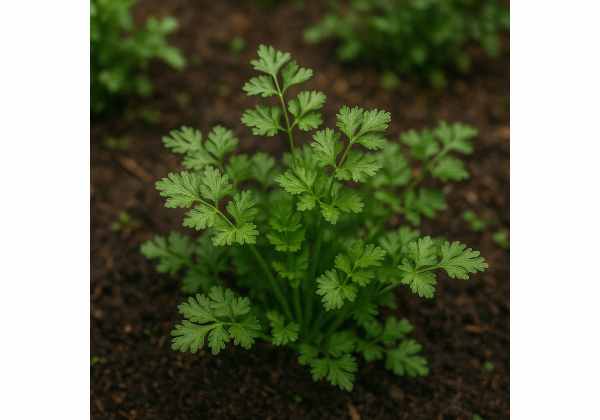
Zhoug is a vivid, spicy condiment built around fresh coriander and chili peppers, usually blended with garlic, warming spices, salt, and a little oil....
Zhi-mu (Anemarrhena asphodeloides): Benefits for Dry Cough, Thirst, Heat, and Metabolic Support
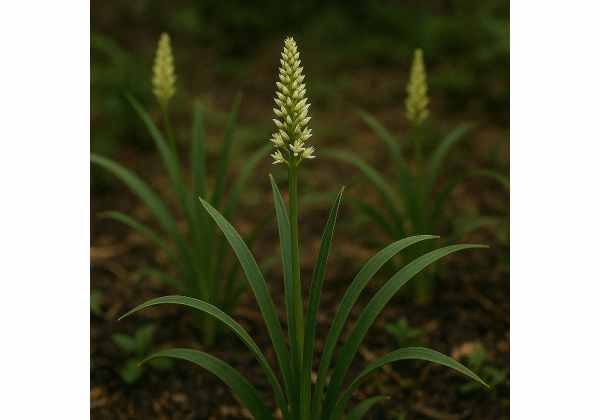
Zhi-mu, the dried rhizome of Anemarrhena asphodeloides, is a longstanding herb in East Asian medicine, especially in Chinese, Korean, and Japanese traditions. It is...