• Home
  • Health Topics
  • Human Body
  • Diagnostics
  • Conditions
  • Treatments
  • Foods
  • Herbs
  • Supplements
  • Weight Loss
  • Longevity
Search
VitaLibrary
  • Home
  • Health Topics
  • Human Body
  • Diagnostics
  • Conditions
  • Treatments
  • Foods
  • Herbs
  • Supplements
  • Weight Loss
  • Longevity
  • Blood Tests and Blood Biomarkers
  • Brain, Cognitive, and Mental Health Tests and Diagnostics
  • Genetic and Molecular Biomarkers
  • Hormone Tests
  • Inflammation and Immune Markers
  • Tumor Markers
  • Urine Tests and Kidney Markers
    Latest
    • Latest
    • Featured posts
    • Most popular
    • 7 days popular
    • By review score
    • Random
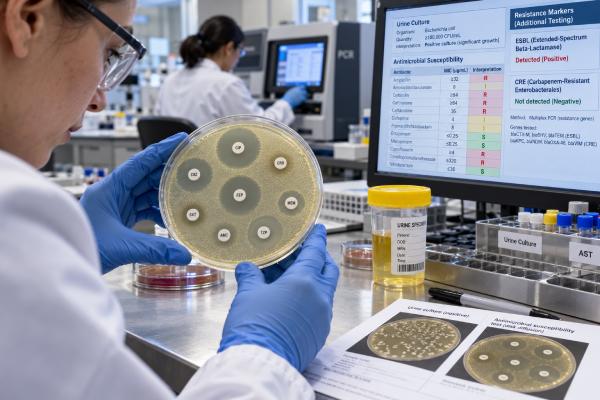
    Learn how antibiotic-resistant UTI testing identifies ESBL, CRE, resistance genes, and antibiotic susceptibility, and how culture results guide treatment and follow-up.

    Antibiotic-Resistant UTI Test: ESBL, CRE, Resistance Markers, and Culture Meaning

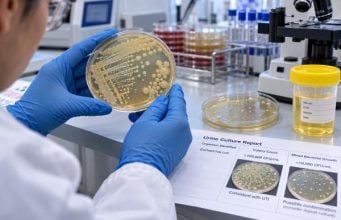
    Learn what asymptomatic bacteriuria means, how a positive urine culture without UTI symptoms is interpreted, and when screening, treatment, or follow-up matters.

    Asymptomatic Bacteriuria Test: Positive Culture Without Symptoms and When It Matters

    Learn how bacteria in urine are interpreted using urinalysis, culture, colony count, symptoms, and sample quality, including when contamination or follow-up testing matters.

    Bacteria in Urine Test: UTI, Contamination, Colony Count, and Culture Follow-Up

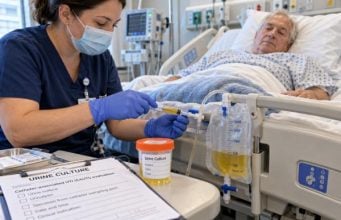
    Learn how a catheter urine culture helps diagnose catheter-associated UTI, how samples are collected, and what colony counts, pyuria, resistance, and positive results mean.

    Catheter Urine Culture Test: Catheter-Associated UTI and Culture Meaning

    Learn how a chlamydia and gonorrhea urine NAAT works, how to collect first-catch urine, what positive or negative results mean, and when follow-up testing is needed.

    Chlamydia and Gonorrhea Urine NAAT Test: STI Screening, Positive Result, and Meaning

    Learn how to collect a clean-catch urine culture, reduce contamination, handle the sample correctly, and understand mixed flora, colony counts, repeat testing, and accurate results.

    Clean-Catch Urine Culture Test: Sample Collection, Contamination, and Accurate Results

    Diagnostics

    Home Diagnostics Page 61
    Understand IGF-1 test results, age-based normal ranges, causes of high or low levels, growth hormone disorders, acromegaly screening, and follow-up testing.

    Insulin-Like Growth Factor 1 (IGF-1) Test: High, Low, Normal Range, and...

    Learn how an LH blood or urine test assesses pituitary function, ovulation, testosterone, puberty, and fertility, including causes of high and low results.

    Luteinizing Hormone (LH) Test: Pituitary Function, Ovulation, Testosterone, and Results

    Learn how macroprolactin testing explains false prolactin elevation, how PEG and post-PEG results are interpreted, and when true hyperprolactinemia still needs follow-up.

    Macroprolactin Test: High Prolactin, False Elevation, and Results

    Learn how the oral glucose growth hormone suppression test screens for acromegaly, including preparation, the 75 g protocol, GH nadir cutoffs, and next steps.

    Oral Glucose Growth Hormone Suppression Test: Acromegaly Screening and Results

    Learn what an oxytocin blood test can and cannot show, why normal ranges are uncertain, how assays differ, and how oxytocin functions in labor, lactation, and the brain.

    Oxytocin Blood Test: Hormone Levels, Function, and Results

    Understand a pituitary hormone panel including ACTH, TSH, LH, FSH, prolactin, GH, and IGF-1, with result patterns, timing, pitfalls, and follow-up tests.

    Pituitary Hormone Test Panel: ACTH, TSH, LH, FSH, Prolactin, GH, IGF-1,...

    Learn how a pituitary tumor hormone panel evaluates prolactin, ACTH, cortisol, GH, IGF-1, TSH, LH, and FSH for secreting tumors, deficiencies, and mass effects.

    Pituitary Tumor Hormone Panel: Prolactin, ACTH, GH, IGF-1, TSH, LH, FSH,...

    Understand prolactin blood test results, including high and low levels, normal ranges, medicine effects, macroprolactin, prolactinoma, pituitary tumors, and follow-up testing.

    Prolactin Blood Test: High, Low, Normal Range, Pituitary Tumor, and Results

    Learn how to interpret TSH with free T4 across the pituitary-thyroid axis, including primary thyroid disease, central hypothyroidism, TSHoma, assay interference, and treatment monitoring.

    Thyroid-Stimulating Hormone (TSH) Test: Pituitary-Thyroid Axis and Results

    Learn what an adiponectin blood test measures, why low levels may accompany insulin resistance, how ranges vary, and what high or abnormal results can mean.

    Adiponectin Blood Test: Low Levels, Insulin Resistance, and Results

    Understand what an amylin blood test measures, how the pancreatic hormone affects glucose and appetite, and what low, high, fasting, or stimulated results may mean.

    Amylin Blood Test: Pancreatic Hormone, Glucose Control, and Results

    Learn how a C-peptide blood test measures pancreatic insulin production, what high or low results mean, how ranges vary, and how it helps evaluate diabetes and hypoglycemia.

    C-Peptide Blood Test: High, Low, Normal Range, Diabetes, and Results

    Learn how fasting insulin testing relates to insulin resistance and metabolic health, why ranges vary, and what high or low results mean when compared with glucose.

    Fasting Insulin Test: High Levels, Normal Range, Insulin Resistance, and Metabolic...

    Learn why a gastrin blood test is ordered, how PPIs and stomach acid affect results, and when high levels may suggest Zollinger-Ellison syndrome or low acid.

    Gastrin Blood Test: High Levels, Stomach Acid, Zollinger-Ellison Syndrome, and Results

    Learn what a ghrelin blood test measures, why total and active forms differ, and how fasting, weight loss, obesity, surgery, and sample handling affect high or low results.

    Ghrelin Blood Test: Hunger Hormone, High and Low Levels, and Results

    Learn what a glucagon blood test measures, why high or low levels occur, how ranges and assay methods differ, and when results may suggest glucagonoma or impaired glucose counter-regulation.

    Glucagon Blood Test: High, Low, Normal Range, and Glucose Control

    1...606162...137Page 61 of 137
    • Disclaimer
    • Privacy Policy
    • About Us
    © 2026 Vita Library. All rights reserved.
    Contact us: contact@vitalibrary.com