• Home
  • Health Topics
  • Human Body
  • Diagnostics
  • Conditions
  • Treatments
  • Foods
  • Herbs
  • Supplements
  • Weight Loss
  • Longevity
Search
VitaLibrary
  • Home
  • Health Topics
  • Human Body
  • Diagnostics
  • Conditions
  • Treatments
  • Foods
  • Herbs
  • Supplements
  • Weight Loss
  • Longevity
  • Blood Tests and Blood Biomarkers
  • Brain, Cognitive, and Mental Health Tests and Diagnostics
  • Genetic and Molecular Biomarkers
  • Hormone Tests
    Latest
    • Latest
    • Featured posts
    • Most popular
    • 7 days popular
    • By review score
    • Random
    Understand the 1-mg low-dose dexamethasone suppression test, the common cortisol cutoff of 1.8 mcg/dL, causes of nonsuppression, and the follow-up used for Cushing screening.

    Low-Dose Dexamethasone Suppression Test: Cushing Syndrome Screening and Results

    Learn how an 8–9 a.m. cortisol test screens for adrenal insufficiency, what low and intermediate results mean, how ACTH helps identify the cause, and when stimulation testing is needed.

    Morning Cortisol Test: Low Levels, Adrenal Insufficiency, and Results

    Learn how a pheochromocytoma and paraganglioma panel uses plasma or urine metanephrines, normetanephrine, catecholamines, and controlled collection to interpret abnormal results.

    Pheochromocytoma and Paraganglioma Test Panel: Metanephrines, Normetanephrine, Catecholamines, and Results

    Learn what plasma epinephrine, norepinephrine, and dopamine results mean, why collection posture matters, common causes of high values, and when metanephrine testing is preferred.

    Plasma Catecholamines Test: Epinephrine, Norepinephrine, Dopamine, and Results

    Learn how plasma free metanephrine and normetanephrine testing screens for pheochromocytoma and paraganglioma, why supine rest matters, and how high or borderline results are evaluated.

    Plasma Free Metanephrines Test: Pheochromocytoma and Paraganglioma Screening, High Levels, and Results

    Learn what a high plasma normetanephrine result means, why supine rest matters, common false-positive causes, when clonidine testing is used, and how PPGL evaluation proceeds.

    Plasma Normetanephrine Test: High Levels, Pheochromocytoma Screening, and Results

    Diagnostics

    Home Diagnostics Page 18
    Learn how RET fusion testing detects targetable drivers in lung and thyroid cancer, how RNA and DNA methods differ, and what positive, negative, and resistance results mean.

    RET Fusion Test: Lung and Thyroid Cancer, Targeted Therapy, and Results

    Learn how germline RET testing confirms MEN2, guides medullary thyroid cancer prevention, explains variant results, and directs pheochromocytoma screening and family testing.

    RET Genetic Test: MEN2, Medullary Thyroid Cancer, and Results

    Learn how a ROS1 fusion test detects an actionable lung cancer driver, how tissue and blood methods differ, and what positive, negative, and resistance results mean.

    ROS1 Fusion Test: Lung Cancer, Targeted Therapy, and Results

    Understand what an SDHB genetic test shows, how results affect paraganglioma and pheochromocytoma surveillance, metastatic risk, and testing for relatives.

    SDHB Genetic Test: Paraganglioma, Pheochromocytoma, and Cancer Risk

    Learn how an SDHC genetic test identifies hereditary paraganglioma risk, what positive, negative, and VUS results mean, and how carrier surveillance works.

    SDHC Genetic Test: Paraganglioma, Pheochromocytoma, and Results

    Learn how an SDHD genetic test identifies hereditary paraganglioma risk, why paternal inheritance matters, and how positive, negative, and uncertain results guide surveillance.

    SDHD Genetic Test: Paraganglioma, Pheochromocytoma, and Results

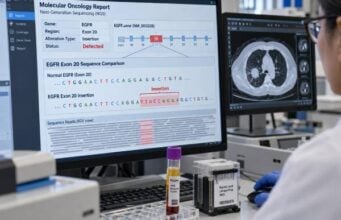
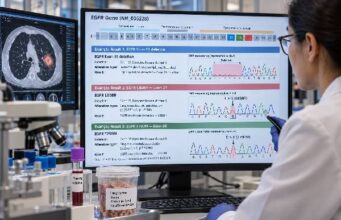
    Learn how a solid tumor NGS panel detects cancer mutations, fusions, copy-number changes, and biomarkers, and how results may guide treatment, trials, and repeat testing.

    Solid Tumor NGS Panel Test: Cancer Mutations, Fusions, and Treatment Results

    Learn what an STK11 genetic test shows, how Peutz-Jeghers syndrome affects polyps and cancer risk, and what positive, negative, and VUS results mean for surveillance.

    STK11 Genetic Test: Peutz-Jeghers Syndrome, Cancer Risk, and Results

    Learn what a TET2 mutation test shows, why the same result can mean CHIP, CCUS, or blood cancer, and how VAF, co-mutations, and blood counts guide follow-up.

    TET2 Mutation Test: Blood Cancer, Clonal Hematopoiesis, and Results

    Learn how TP53 genetic testing identifies Li-Fraumeni syndrome, why blood-clone and mosaic findings require confirmation, and how results guide lifelong cancer surveillance.

    TP53 Genetic Test: Li-Fraumeni Syndrome, Cancer Risk, and Results

    Learn how tumor molecular profiling finds DNA, RNA, protein, and genomic biomarkers to guide cancer diagnosis, targeted treatment, resistance assessment, and next steps.

    Tumor Molecular Profiling Test: Cancer Mutations, Treatment Targets, and Results

    Understand how a tumor mutational burden test reports mutations per megabase, what TMB-high may mean for immunotherapy, why assays differ, and how to interpret limitations.

    Tumor Mutational Burden (TMB) Test: Cancer Immunotherapy Marker and Results

    Learn what a VHL genetic test shows, how von Hippel-Lindau syndrome affects multiple organs, and how positive, negative, mosaic, and VUS results guide surveillance.

    VHL Genetic Test: von Hippel-Lindau Syndrome, Cancer Risk, and Results

    Understand what a WT1 genetic test can reveal about Wilms tumor risk, progressive kidney disease, gonadal development, screening, inheritance, and result interpretation.

    WT1 Genetic Test: Wilms Tumor, Kidney Cancer Risk, and Results

    Learn how the acetaminophen blood test is used after overdose, what toxic levels can mean, when NAC treatment is needed, and which liver and kidney labs guide follow-up.

    Acetaminophen Blood Test: Toxic Level, Overdose, Liver Damage Risk, Treatment Monitoring,...

    Interpret acetaminophen levels and liver enzymes by timing, nomogram risk, ALT, AST, INR, bilirubin, symptoms, and kidney markers to understand overdose danger and treatment urgency.

    Acetaminophen Level and Liver Enzymes: Interpreting Overdose Risk

    Learn what an aluminum blood test measures, normal and high aluminum ranges, common exposure sources, toxicity symptoms, dialysis risks, false high results, and follow-up steps.

    Aluminum Blood Test: High Aluminum, Normal Range, Toxicity, Exposure Sources, and...

    Understand the antimony blood test, including normal range, high antimony causes, exposure sources, toxicity symptoms, blood vs urine testing, and follow-up care.

    Antimony Blood Test: High Antimony, Exposure, Toxicity, Normal Range, and Results

    Learn what an arsenic blood test measures, what high arsenic can mean, normal range basics, poisoning symptoms, urine testing, exposure sources, and follow-up steps.

    Arsenic Blood Test: High Arsenic, Normal Range, Poisoning, Toxicity, and Results

    Learn when urine arsenic testing is preferred over blood testing, why arsenic speciation matters, how seafood affects total arsenic, and what abnormal results can mean.

    Arsenic Blood Test vs Urine Test: Which Exposure Test Is Used?

    1...171819...57Page 18 of 57
    • Disclaimer
    • Privacy Policy
    • About Us
    © 2026 Vita Library. All rights reserved.
    Contact us: contact@vitalibrary.com