

GI and Pancreatic Cancer Biomarkers
Home GI and Pancreatic Cancer Biomarkers
GI and pancreatic cancer biomarkers are increasingly important in how gastrointestinal malignancies are detected, classified, monitored, and treated. This category brings together practical, evidence-based information on the blood, tissue, genetic, molecular, and circulating tumor DNA markers used across pancreatic, colorectal, gastric, liver, biliary, and other gastrointestinal cancers.
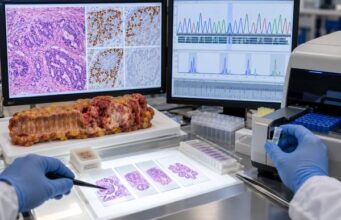
Articles in this section explore commonly used tumor markers such as CA 19-9, CEA, AFP, and DCP/PIVKA-II, alongside molecular biomarkers including KRAS, BRAF, HER2, IDH1, MSI, mismatch repair proteins, and other actionable genomic alterations. We also cover emerging approaches such as circulating tumor DNA, minimal residual disease testing, next-generation sequencing, liquid biopsy, and tumor profiling that can help clarify prognosis, recurrence risk, treatment eligibility, and resistance mechanisms.
You will also find detailed guidance on biomarker testing in specific cancers, including pancreatic adenocarcinoma, colorectal cancer, gastric and gastroesophageal cancers, cholangiocarcinoma, hepatocellular carcinoma, gastrointestinal stromal tumors, and Lynch syndrome–associated malignancies. Topics may include HER2 testing, KRAS mutation analysis, MSI and MMR screening, MLH1 promoter methylation, CLDN18.2, PD-L1, KIT and PDGFRA mutations, IDH mutations, and postoperative ctDNA monitoring.
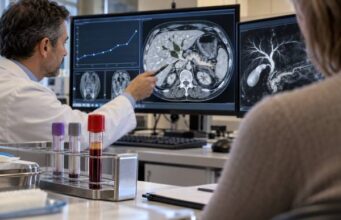
Because biomarkers do not all serve the same purpose, this category also explains the differences between screening tests, diagnostic markers, prognostic biomarkers, predictive biomarkers, companion diagnostics, hereditary cancer testing, and disease-monitoring tools. Results often need to be interpreted together with pathology, imaging, tumor stage, treatment history, and the broader clinical picture.
The goal of this category is to make complex GI and pancreatic cancer biomarker testing easier to understand while highlighting where each test may be useful, what its limitations are, and how biomarker results can influence modern precision oncology.