

Hematologic Cancer Markers
Home Hematologic Cancer Markers
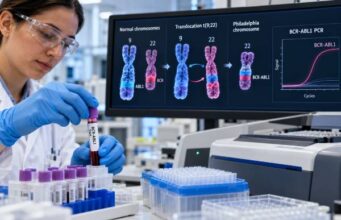
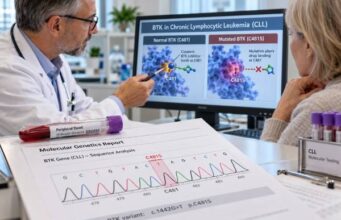
Hematologic cancer markers provide essential information about the diagnosis, classification, prognosis, treatment selection, and monitoring of leukemia, lymphoma, multiple myeloma, myelodysplastic syndromes, and myeloproliferative neoplasms. This category explains the blood, bone marrow, genetic, molecular, protein, and cell-surface markers used to identify abnormal blood cells and define specific disease subtypes.
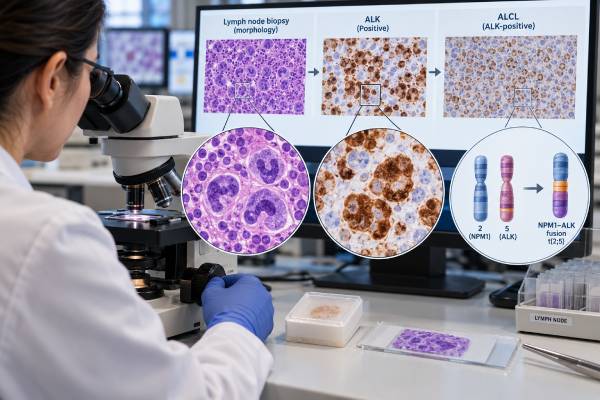
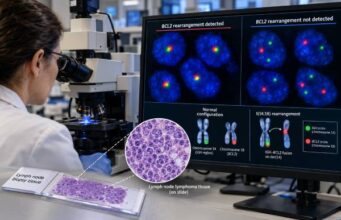
Topics include major leukemia mutations and gene fusions such as BCR-ABL1, FLT3, NPM1, IDH1, IDH2, RUNX1, TP53, PML-RARA, DNMT3A, and TET2, along with JAK2, CALR, and MPL testing for myeloproliferative disorders. Lymphoma-related markers such as CD19, CD20, CD30, Cyclin D1, SOX11, MYC, BCL2, BCL6, ALK, and CCND1/IGH are also covered, including the role of flow cytometry and FISH panels in lymphoma classification.
For plasma cell disorders and multiple myeloma, the collection explores serum protein electrophoresis (SPEP), urine protein electrophoresis (UPEP), immunofixation, M protein, serum free light chains, CD138, beta-2 microglobulin, and other markers used for diagnosis, staging, and follow-up. Readers can also learn how minimal residual disease (MRD) testing, PCR, next-generation sequencing, ClonoSEQ, immunophenotyping, and molecular response testing help detect small amounts of remaining cancer and track treatment response.
Clear explanations of positive and negative results, mutation status, abnormal protein patterns, prognostic findings, treatment-related biomarkers, and follow-up testing make complex hematologic cancer laboratory results easier to understand and discuss with a healthcare team.