
Lung Cancer Biomarkers
Home Lung Cancer Biomarkers
Lung cancer biomarkers provide important information about tumor type, molecular characteristics, treatment options, prognosis, and disease monitoring. This category explains the genetic alterations, proteins, immunohistochemical markers, and blood-based biomarkers used in the evaluation and management of different forms of lung cancer.
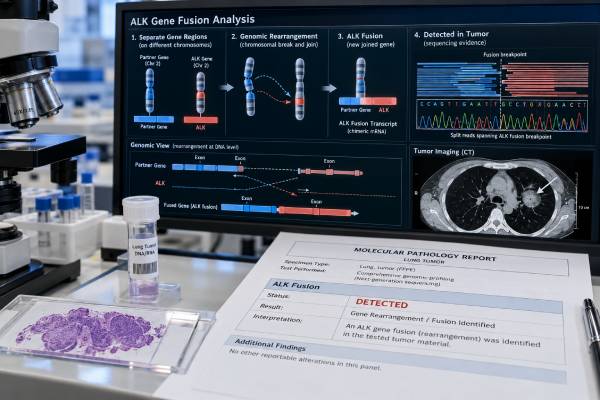
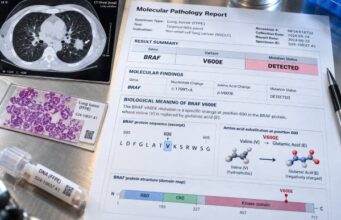
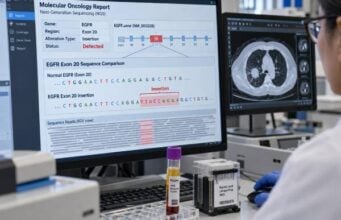
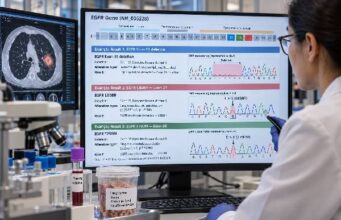
Topics include actionable molecular biomarkers such as **EGFR, ALK, ROS1, RET, NTRK, KRAS, BRAF, and MET**, which can help identify patients who may benefit from targeted therapies. The category also covers biomarkers used in pathology and tumor classification, including **TTF-1, p40, and other immunohistochemical markers** that help distinguish lung adenocarcinoma, squamous cell carcinoma, and other tumor types.
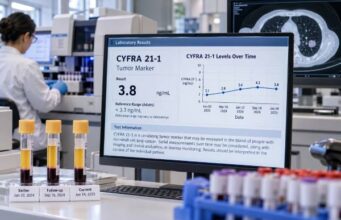
For small cell lung cancer and neuroendocrine tumors, guides explore markers such as **ProGRP, NSE, and DLL3**, including their potential roles in diagnosis, monitoring, and treatment selection. Additional articles examine modern testing approaches such as **next-generation sequencing, liquid biopsy, circulating tumor DNA, and comprehensive biomarker panels**.
Each guide explains what a biomarker measures, how testing is performed, what positive or negative results may mean, and how results can influence clinical decisions. Biomarker testing is interpreted together with pathology, imaging, cancer stage, medical history, and other clinical findings rather than used alone.