




Blood Tumor Markers
Home Blood Tumor Markers
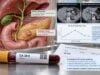
Blood tumor markers are substances measured in blood that can provide valuable information about certain cancers, tumor activity, treatment
response, recurrence, and overall disease monitoring. This category explores the most important cancer-related blood tests, explaining what each marker measures, why it may be ordered, what high or changing levels can mean, and which non-cancer conditions may also affect results.
Topics include widely used markers such as AFP, CEA, CA-125, CA 15-3, CA 19-9, CA 27.29, PSA, beta-hCG, LDH, beta-2 microglobulin, calcitonin, and thyroglobulin. More specialized testing is also covered, including the Prostate Health Index (PHI), 4Kscore, free and complexed PSA, HE4 and the ROMA score, chromogranin A, 5-HIAA, serotonin, gastrin, somatostatin, VIP, ProGRP, CYFRA 21-1, SCC antigen, inhibin A and B, and other markers associated with neuroendocrine, ovarian, prostate, thyroid, lung, liver, breast, gastrointestinal, and blood cancers.
Each guide focuses on practical interpretation, reference ranges when appropriate, common causes of abnormal results, test limitations, and follow-up considerations. Because tumor markers rarely diagnose cancer on their own, results are best understood alongside symptoms, imaging, pathology, medical history, and other laboratory findings.