
Adrenal Hormone Tests
Home Adrenal Hormone Tests
Adrenal hormone tests help evaluate how the adrenal glands regulate stress responses, blood pressure, fluid balance, metabolism, and androgen production. This category explains the blood, saliva, and urine tests used to investigate symptoms such as unexplained fatigue, weakness, dizziness, difficult-to-control hypertension, abnormal potassium levels, rapid heartbeat, sweating, changes in body hair, and signs of cortisol excess or deficiency.
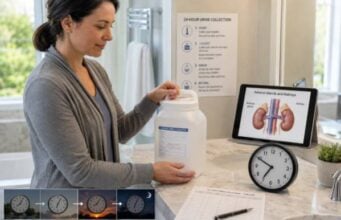
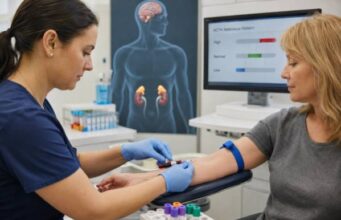
Explore detailed guides to cortisol testing, including morning cortisol, late-night salivary cortisol, 24-hour urine free cortisol, ACTH testing, ACTH stimulation, and low- or high-dose dexamethasone suppression tests. You will also find information on aldosterone, renin, the aldosterone-renin ratio, primary aldosteronism panels, and deoxycorticosterone testing for hormone-related blood pressure disorders.
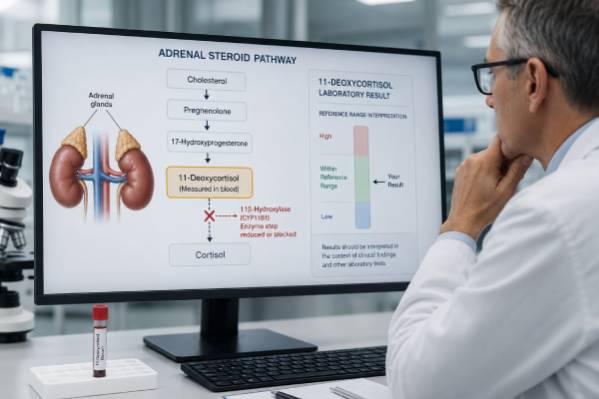
Additional articles cover DHEA, DHEA-S, androstenedione, 17-hydroxyprogesterone, 11-deoxycortisol, and congenital adrenal hyperplasia testing. For suspected pheochromocytoma or paraganglioma, the category reviews plasma free metanephrines, normetanephrine, catecholamines, and 24-hour urine testing.
Each guide describes why a test is ordered, how to prepare, what high or low results may mean, common factors that can affect accuracy, and the follow-up tests clinicians may recommend. The collection also discusses adrenal insufficiency, Cushing syndrome, adrenal tumors, and the limitations of testing for nonspecific symptoms sometimes attributed to “adrenal fatigue.” Results should always be interpreted with symptoms, medications, timing, collection conditions, and laboratory-specific reference ranges.